When machinery suddenly powers on during maintenance, the consequences can be catastrophic. A misplaced lever, an unsecured energy source, or a missed communication can lead to severe injuries—or worse. That’s why a clear, well-documented example lockout tagout procedure isn’t just regulatory compliance—it’s a frontline defense for worker safety.
Lockout tagout (LOTO) procedures protect employees from unexpected energization or startup of machines and equipment during servicing and maintenance. While OSHA’s standard 29 CFR 1910.147 outlines the requirements, many organizations struggle with implementation. This article provides a real-world example of a lockout tagout procedure, highlights critical steps, common pitfalls, and practical applications to ensure your team stays safe and compliant.
What Is a Lockout Tagout Procedure?
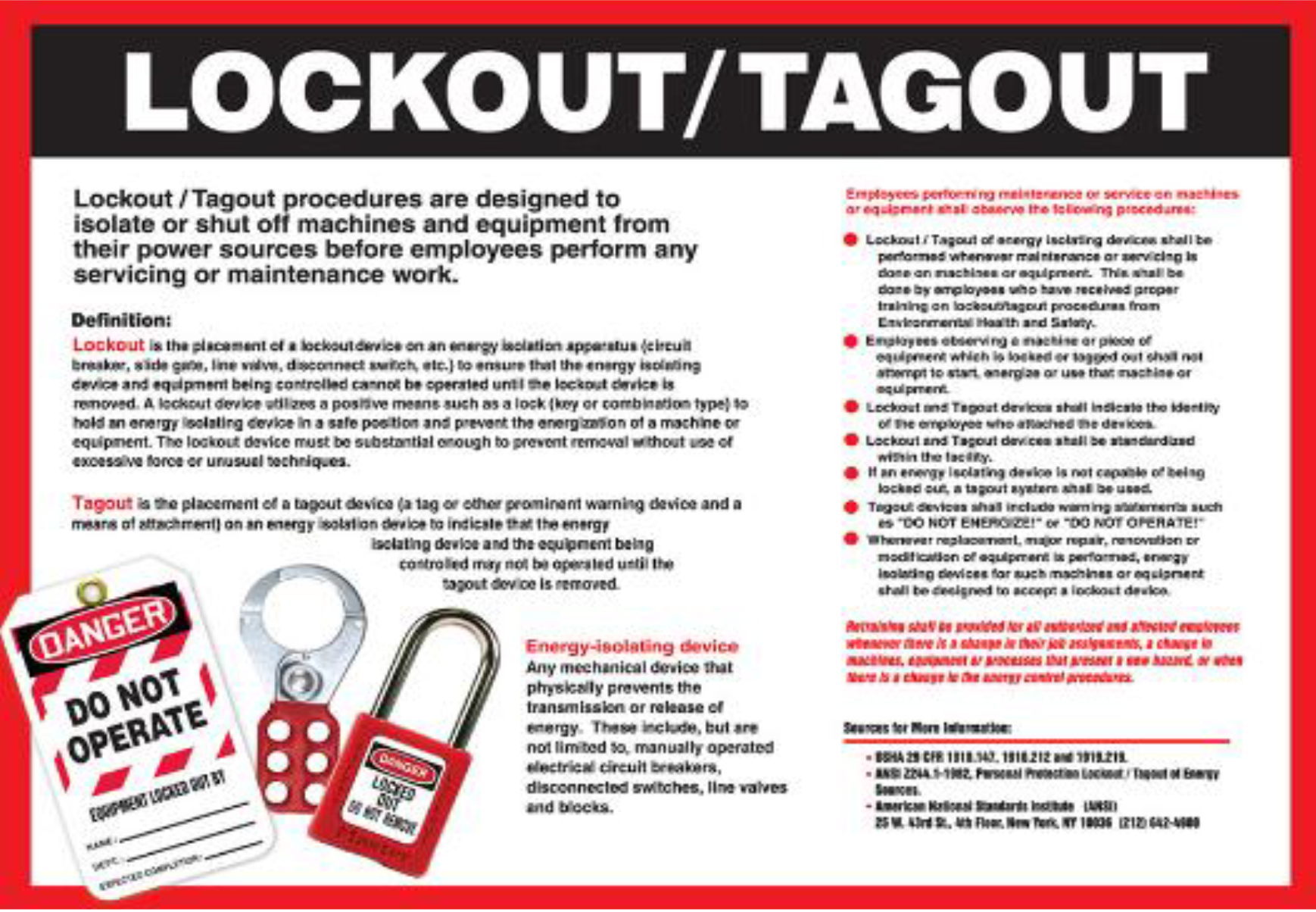
A lockout tagout procedure is a structured safety process that ensures machines are properly shut down and isolated from all energy sources before maintenance begins. It combines physical locks (lockout) and warning tags (tagout) to prevent unauthorized operation.
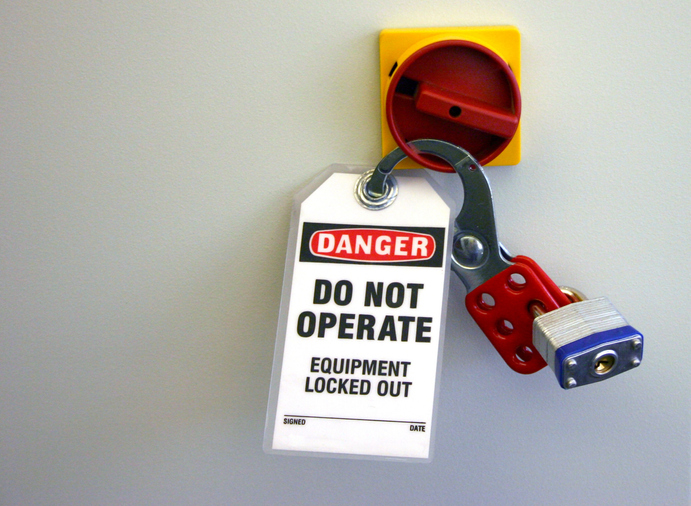
Lockout uses a physical device—like a padlock—to secure an energy-isolating mechanism. Tagout attaches a label warning that the equipment is under maintenance and must not be operated.
While tagout alone may be used in limited cases, lockout is preferred because it provides a higher level of control.
A well-designed LOTO procedure answers: - What equipment is covered? - What energy types are present? (electrical, hydraulic, pneumatic, chemical, thermal, etc.) - Who is authorized to perform the procedure? - What are the exact steps for shutdown, isolation, and release?
Without a clear example, many teams improvise—creating dangerous gaps in safety.
Real-World Example: Lockout Tagout Procedure for a Conveyor System
Consider a packaging facility where technicians regularly service a motor-driven conveyor. This system uses electrical power and has stored kinetic energy in rollers and belts. Here’s a step-by-step example lockout tagout procedure tailored to this equipment.
#### Step 1: Preparation - Identify the conveyor by name and ID (e.g., “Conveyor Line B – ID: CV-214”). - Notify all affected employees that maintenance will begin. - Review the machine-specific LOTO procedure and gather required locks, tags, and tools.
#### Step 2: Shutdown - Press the emergency stop button. - Use the control panel to turn the system “OFF.” - Ensure all moving parts have come to a complete stop.
#### Step 3: Isolation - Locate the primary disconnect switch (e.g., a circuit breaker in a nearby panel). - Turn the breaker to “OFF” position. - If applicable, shut off auxiliary energy sources (e.g., compressed air lines feeding pneumatic components).
#### Step 4: Apply Lockout/Tagout Devices - Each authorized employee applies their personal lock to the disconnect switch. - Attach a tag with: - Employee name - Date and time - Reason for lockout - Use a group lockout box if multiple workers are involved.
#### Step 5: Control Stored Energy - Release residual energy: - Bleed air from pneumatic lines. - Block or lower suspended parts. - Allow capacitors to discharge. - Verify no pressure remains using gauges or manual checks.
#### Step 6: Verify Isolation - Attempt to restart the conveyor using the control panel (with permission and safety observers). - Confirm the machine does not start. - This “zero energy check” is non-negotiable.
#### Step 7: Perform Maintenance - Only now may the technician begin repairs or adjustments. - Maintain line of sight or communication with team members.
#### Step 8: Remove Lockout and Restore Service - Ensure all tools are removed and guards reinstalled. - Confirm the area is clear of personnel. - Each authorized employee removes their own lock. - Notify operations that the system is ready. - Restart the conveyor following standard startup protocols.
This example is not theoretical—it mirrors procedures used in food processing, automotive, and pharmaceutical industries where equipment downtime and safety are equally critical.
Key Elements of an Effective LOTO Procedure
A strong lockout tagout procedure doesn’t just list steps—it anticipates real-world challenges. Use these elements to strengthen your example:
#### 1. Equipment-Specific Instructions Generic procedures fail. Each machine must have a tailored LOTO plan. A CNC mill, for instance, may have hydraulic clamps and spindle brakes requiring specific isolation steps.
#### 2. Energy Source Inventory List all energy types. A stamping press might use: - Electrical (main motor) - Hydraulic (pressure system) - Mechanical (flywheel inertia)
Each requires a distinct control method.
#### 3. Clear Roles Define: - Authorized employees: Trained to perform LOTO. - Affected employees: Operate or use the equipment but don’t service it.
Only authorized personnel apply and remove locks.
#### 4. Visual Aids Include diagrams showing: - Location of disconnects - Lock application points - Stored energy zones
A quick-reference flowchart posted near the machine improves compliance.
#### 5. Periodic Inspections OSHA requires annual audits. A supervisor observes a full LOTO cycle and verifies adherence. Findings should be documented and used to update procedures.
Common Mistakes That Undermine LOTO Safety
Even organizations with LOTO programs make preventable errors. Avoid these:
#### ❌ Using a Master Key to Remove Locks Bypassing personal locks violates the core principle: only the person who applied the lock should remove it. Exceptions require strict protocols, including verification that the employee is not on-site.
#### ❌ Skipping Stored Energy Control A technician servicing a hydraulic press once assumed the system was safe after turning off the pump. A valve failure released 2,000 psi of pressure, causing a hose to whip and sever a tendon. Always de-energize, bleed, block, and verify.
#### ❌ Relying on Tags Without Locks Tags are warnings—not barriers. In one incident, a new operator started a lathe because the tag was faded and unreadable. Locks physically prevent operation.
#### ❌ Group Lockout Without a Coordinator In multi-craft repairs, each worker applies their lock to a hasp on the disconnect. But without a designated coordinator to manage the group lockbox and verify all work is complete, premature removal can occur.
#### ❌ Incomplete Training Workers must not only memorize steps but understand why each is critical. Training should include hands-on practice and periodic refreshers.
When LOTO Procedures Fall Short: Limitations and Workarounds
LOTO is highly effective, but not foolproof. Consider these limitations:
- Complex Systems: Modern machinery with remote controls, PLCs, or networked power may have multiple energy sources that are hard to isolate.
- Solution: Conduct an energy audit and update procedures to include all nodes.
- Shift Changes: Maintenance spanning shifts increases risk.
- Solution: Use shift交接 procedures where outgoing workers brief incoming personnel and reconfirm lock status.

- Contractors: Outside technicians may not know internal LOTO rules.
- Solution: Require contractor orientation and integrate them into your LOTO system with temporary authorization.
- Small Equipment: Hand tools or portable machines may be overlooked.
- Solution: Apply LOTO principles proportionally—even a corded drill should be unplugged and tagged during blade changes.
Practical Use Cases: LOTO Across Industries
#### Manufacturing Plant – Robotic Arm Cell A technician must recalibrate a welding robot. The LOTO procedure includes: - Disabling the robot’s control cabinet - Locking out the hydraulic supply - Tagging the cell entry gate - Performing a “deadman” test to ensure no motion occurs
#### Hospital – Boiler Maintenance A facilities engineer services a steam boiler. The LOTO plan covers: - Shutting off gas supply valves - Locking electrical feeds - Verifying pressure release via gauges - Tagging all access points
#### Food Processing – Mixer Cleaning To clean a large dough mixer, the team must: - Disconnect the main drive motor - Block the mixing arm from falling - Use a lockout hasp on the control panel - Confirm isolation by attempting startup
Each case proves that a solid example lockout tagout procedure must be specific, actionable, and visible.
Building Your Own LOTO Procedure: A Workflow Guide
Follow this workflow to develop or improve your LOTO documentation:
- Survey Equipment
- Walk through the facility and list all machinery requiring LOTO.
- Identify Energy Sources
- For each machine, document every form of hazardous energy.
- Write Step-by-Step Procedures
- Use the conveyor example as a template. Be precise—“turn off breaker #7 in Panel A” not “shut off power.”
- Create Visual Aids
- Use photos or schematics showing lock points.
- Train and Certify Employees
- Conduct hands-on sessions and document attendance.
- Audit Annually
- Observe real LOTO events and correct deviations.
- Review After Incidents
- If a near-miss occurs, revise the procedure immediately.
This process transforms compliance from a paperwork exercise into a living safety system.
A well-executed lockout tagout procedure saves lives. Use the example provided as a foundation, but never stop improving. Revisit your procedures regularly, involve frontline workers in updates, and treat every lock and tag as a promise: no machine starts until everyone is safe.
Frequently Asked Questions
What is the first step in a lockout tagout procedure? The first step is preparation—identifying the equipment, notifying affected staff, and gathering necessary locks and tags.
Can tagout be used without lockout? Yes, but only if the equipment design doesn’t allow for lockout and a robust tagout program with additional safety measures is in place.
Who can remove a lockout device? Only the authorized employee who applied the lock may remove it, unless an emergency removal procedure is followed with proper verification.
How often should LOTO procedures be reviewed? OSHA requires annual inspections to ensure procedures are being followed correctly and are up to date.
What qualifies as an authorized employee for LOTO? An authorized employee has been trained and certified to implement the energy control program and perform servicing under LOTO.
What should a LOTO tag include? It must list the employee’s name, date, time, and reason for the lockout.
Do portable tools need LOTO? Yes, if they’re being serviced and pose a hazard from unexpected startup, such as a plugged-in power tool undergoing repair.
FAQ
What should you look for in Example Lockout Tagout Procedure for Workplace Safety? Focus on relevance, practical value, and how well the solution matches real user intent.
Is Example Lockout Tagout Procedure for Workplace Safety suitable for beginners? That depends on the workflow, but a clear step-by-step approach usually makes it easier to start.
How do you compare options around Example Lockout Tagout Procedure for Workplace Safety? Compare features, trust signals, limitations, pricing, and ease of implementation.
What mistakes should you avoid? Avoid generic choices, weak validation, and decisions based only on marketing claims.
What is the next best step? Shortlist the most relevant options, validate them quickly, and refine from real-world results.